
Unlock the Secret of Timeless Beauty: The Golden Face Ratio! 🌟
Ever wondered why some faces just look naturally attractive? 🤔
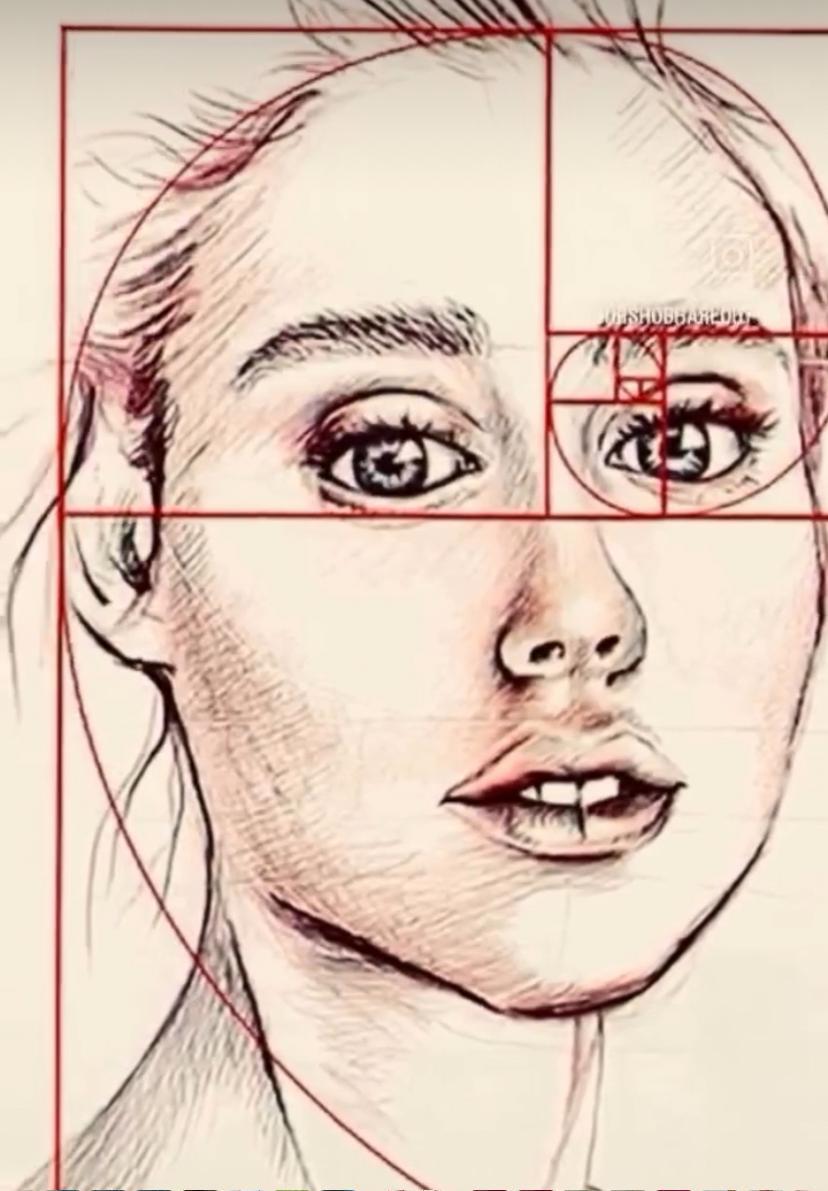
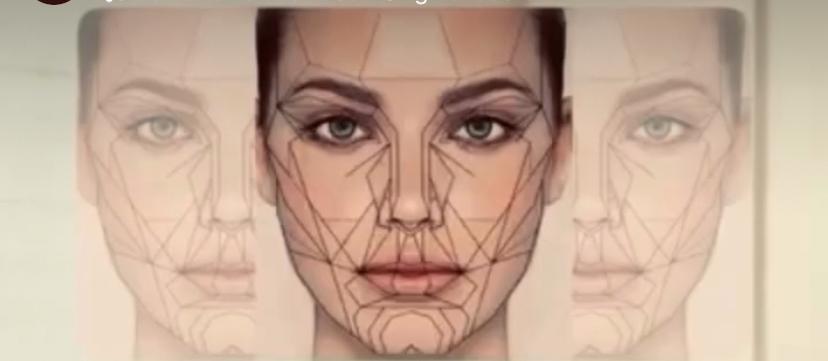
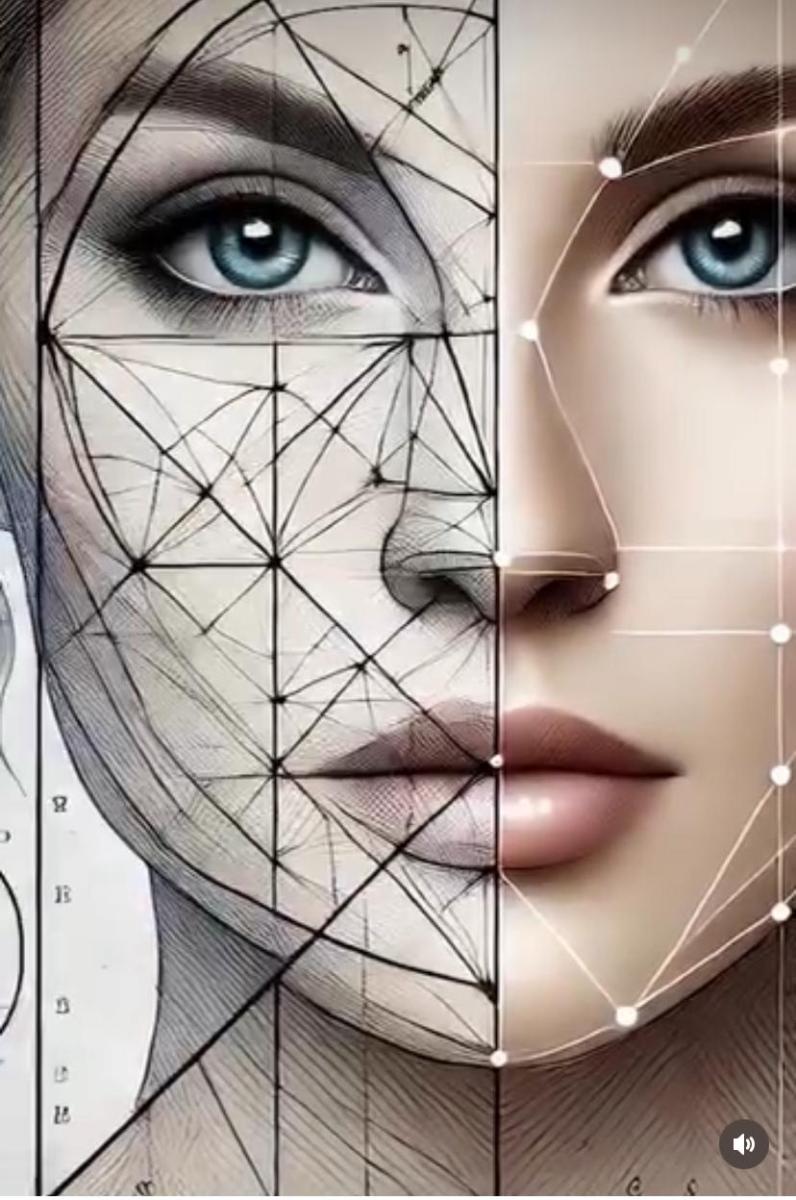
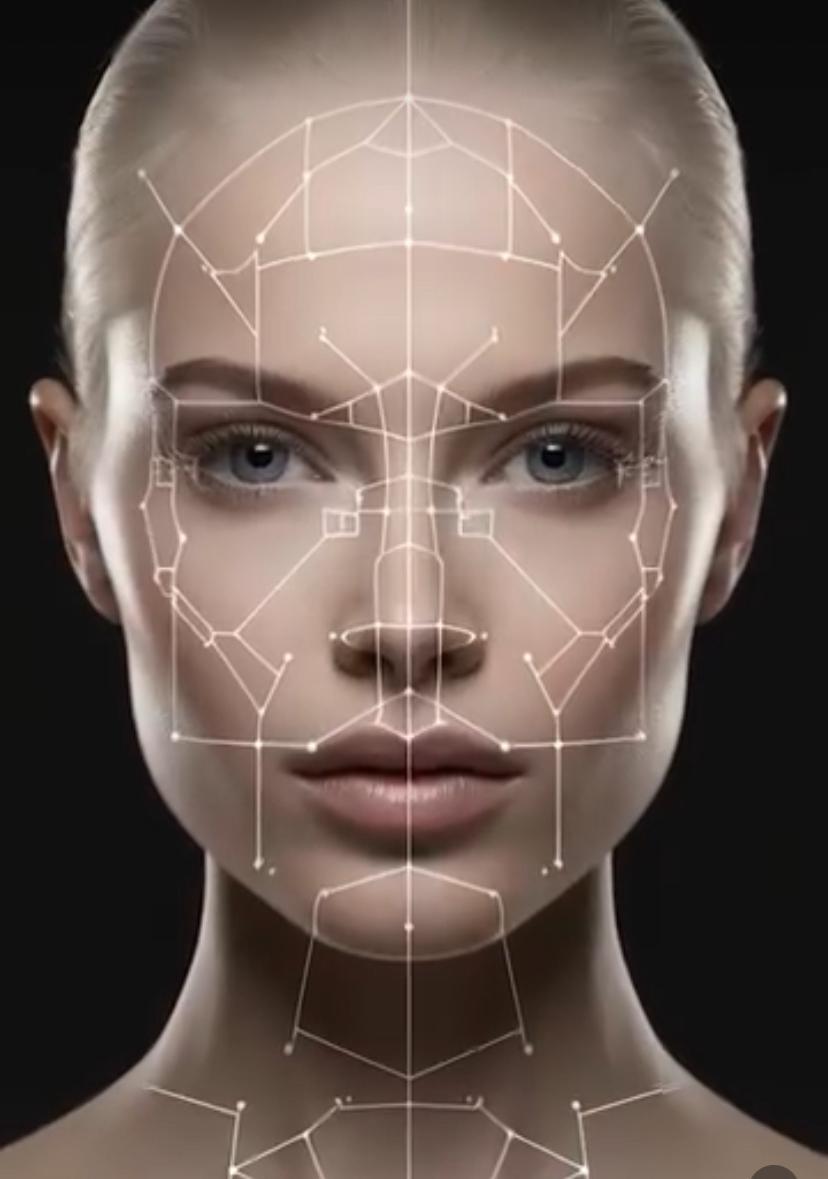
It’s not magic — it’s math! The Golden Ratio (1.618:1) is a beauty benchmark that artists, surgeons, and skincare experts have used for centuries to define facial symmetry and proportion. 📐✨
📏 What is the Golden Face Ratio?
A face is considered more “ideal” when:
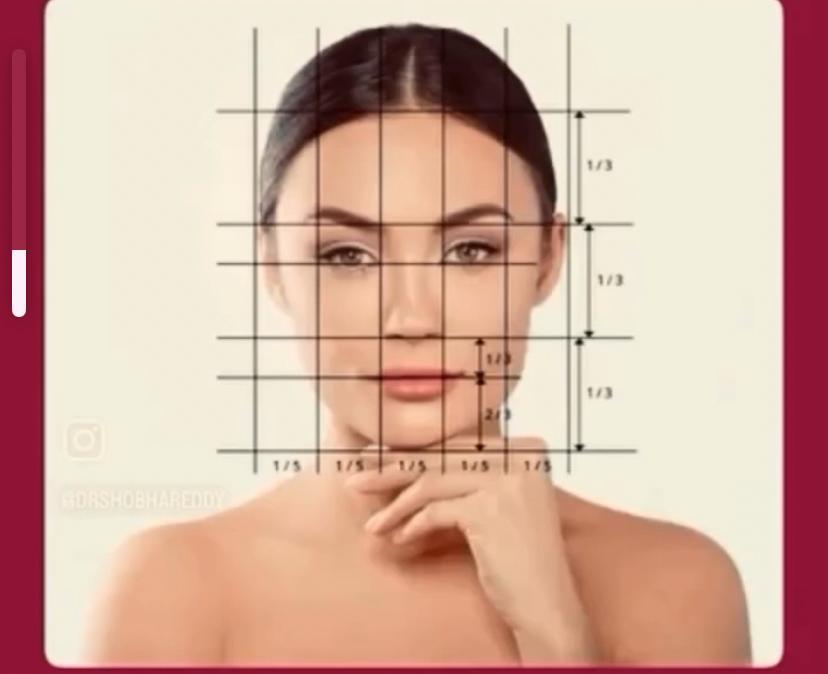
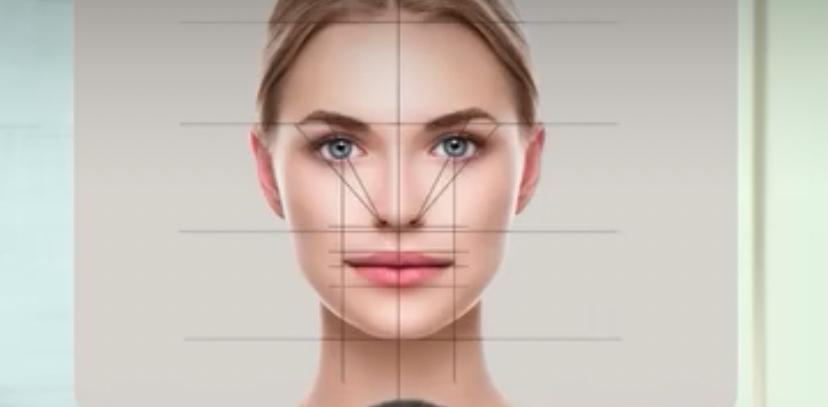
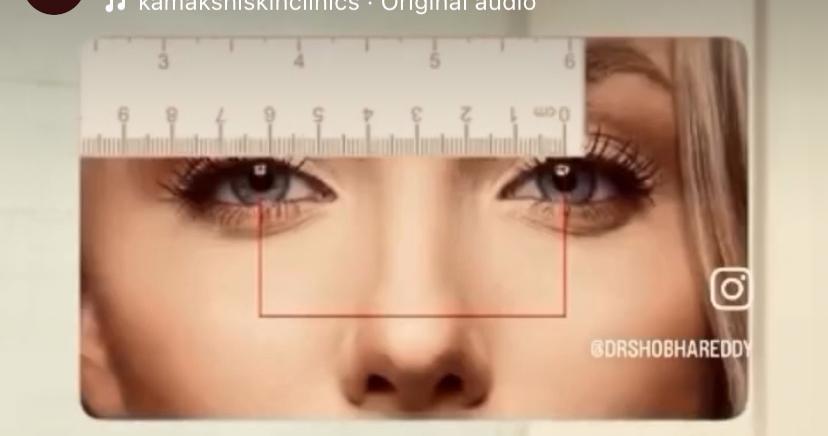
👃 Nose width fits harmoniously between the eyes
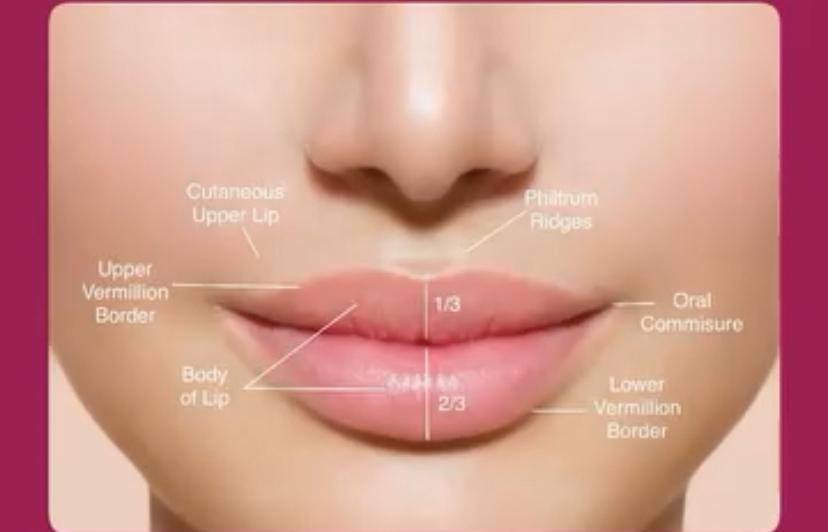
👄 Lips align beautifully beneath the nose
👁 Eyes are spaced just right
🪞Face is divided in thirds — forehead, nose, and chin — with pleasing symmetry
🧠 Fun Fact: Leonardo da Vinci’s “Vitruvian Man” is based on these exact proportions!
👩⚕️ Why It Matters in Aesthetics
Understanding facial balance helps in:
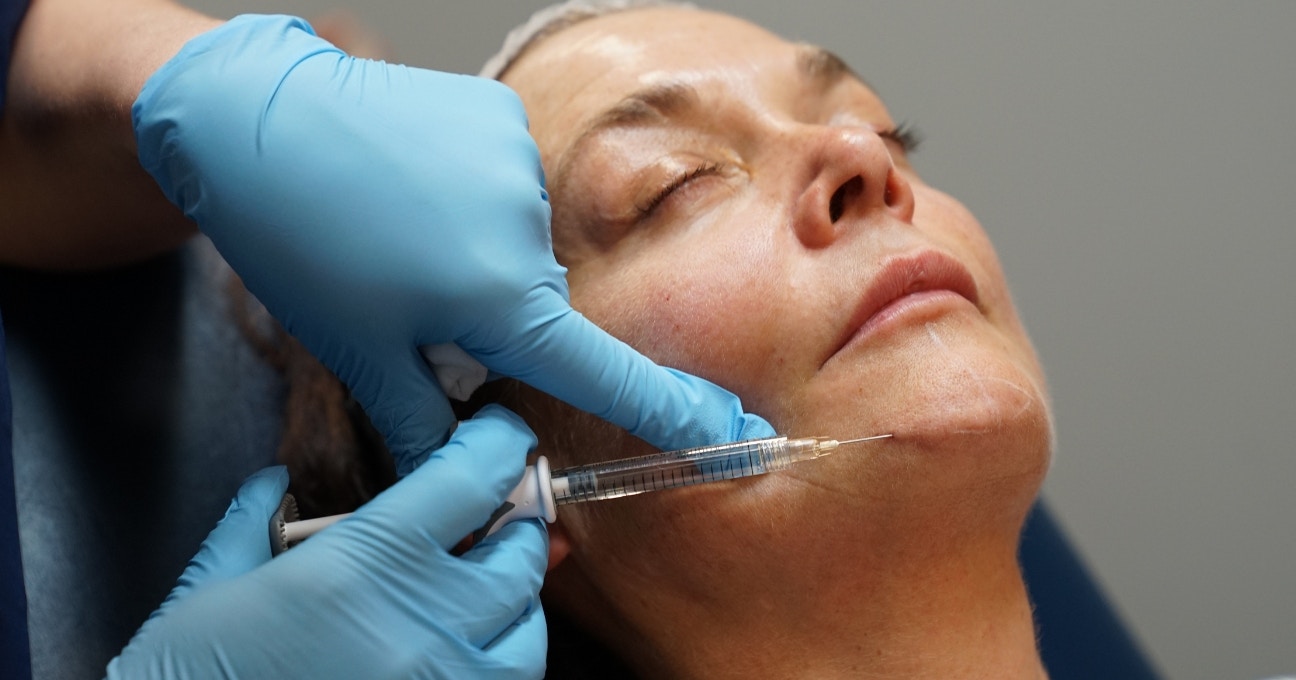
✔ Non-surgical treatments (fillers, Botox, contouring)
✔ Customized skincare for facial zones
✔ Planning cosmetic procedures with natural-looking results
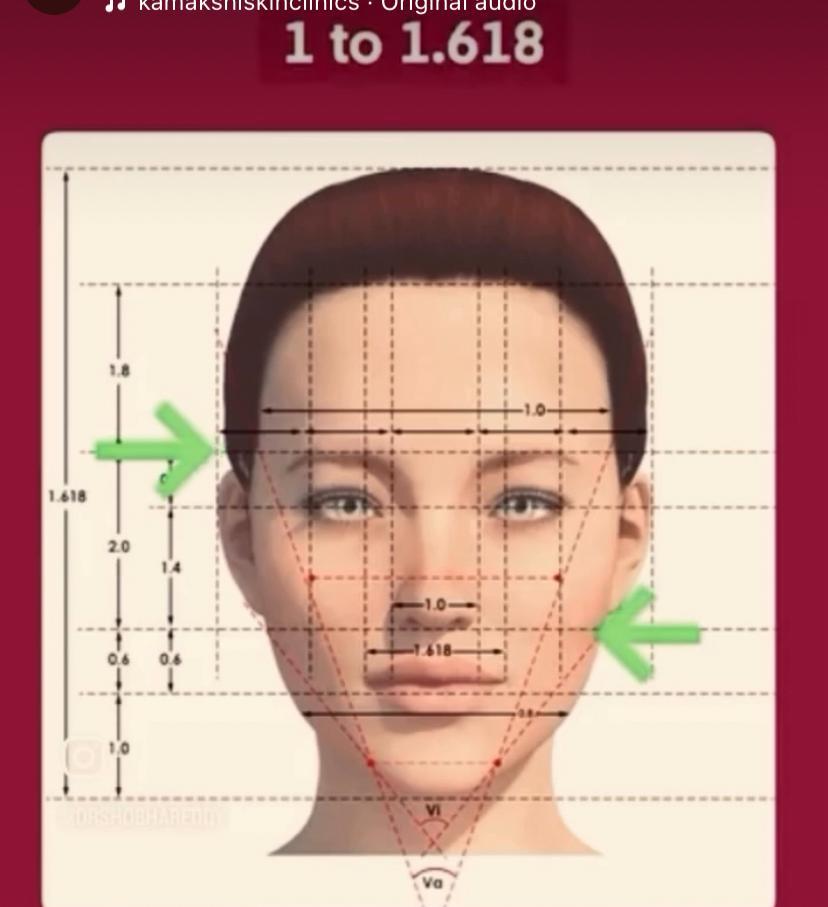
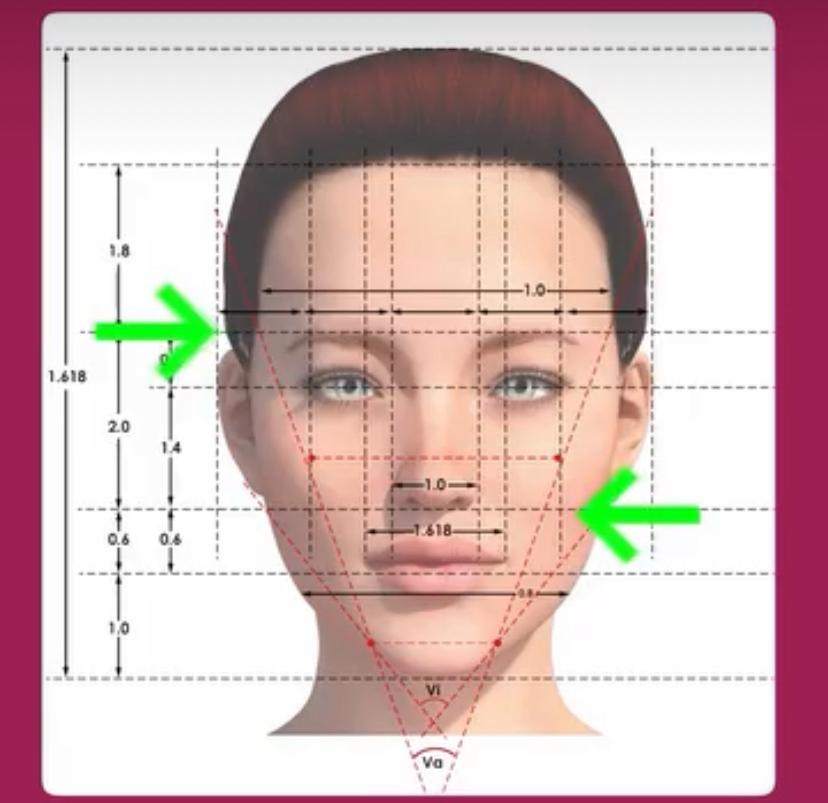
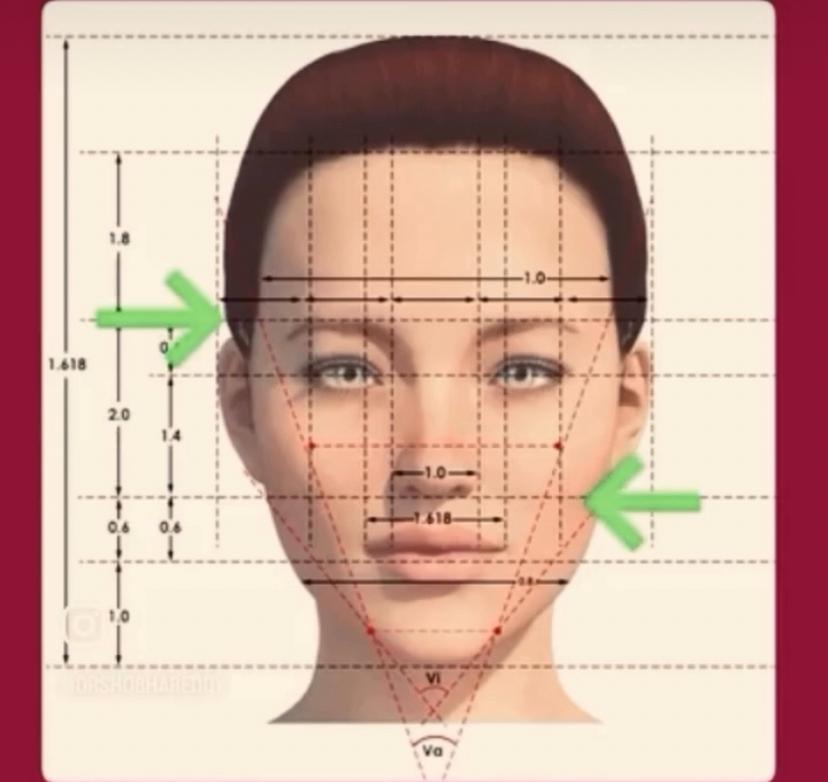
Golden Ratio (Phi, ≈ 1.618) in facial aesthetics suggests beauty lies in balanced proportions, where facial length is about 1.618 times its width, and specific features (eyes to lips, lips to chin, eye width to eye spacing) follow this proportion, creating natural harmony, a concept used by artists, sculptors, and plastic surgeons for centuries.
Key Proportions
* Overall Face: Face length (hairline to chin) divided by face width (cheekbone to cheekbone) should be close to 1.618.
* Lower Face: Distance from nose base to lip center is to the distance from lip center to chin as 1 is to 1.618.
* Eyes: The space between your eyes should be roughly the width of one eye.
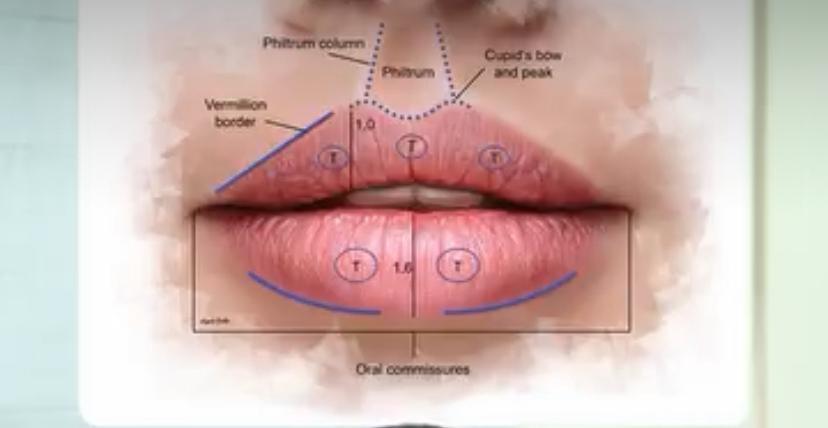
* Lips: The lower lip’s volume/height should be about 1.6 times the upper lip’s, or follow a 1:1.6 ratio.
* Ears: The length of the ear often aligns with the length of the nose. Lo
Important Considerations
* Natural Variation: Most faces aren’t perfectly symmetrical; slight asymmetries are normal and contribute to unique character.
* Subjective Beauty: While mathematical, beauty is also subjective and cultural; these ratios are guidelines, not strict rules for attractiveness.